

Learning center
Windows and doors: wood, fiberglass, composite, and vinyl.
Every manufacturer brags about energy efficiency, and the numbers on the sticker are real. They are just not what decides whether you are happy in ten years. That comes down to how the unit is built and, even more, how it gets installed.
Frame material
Start here, not with the glass package.
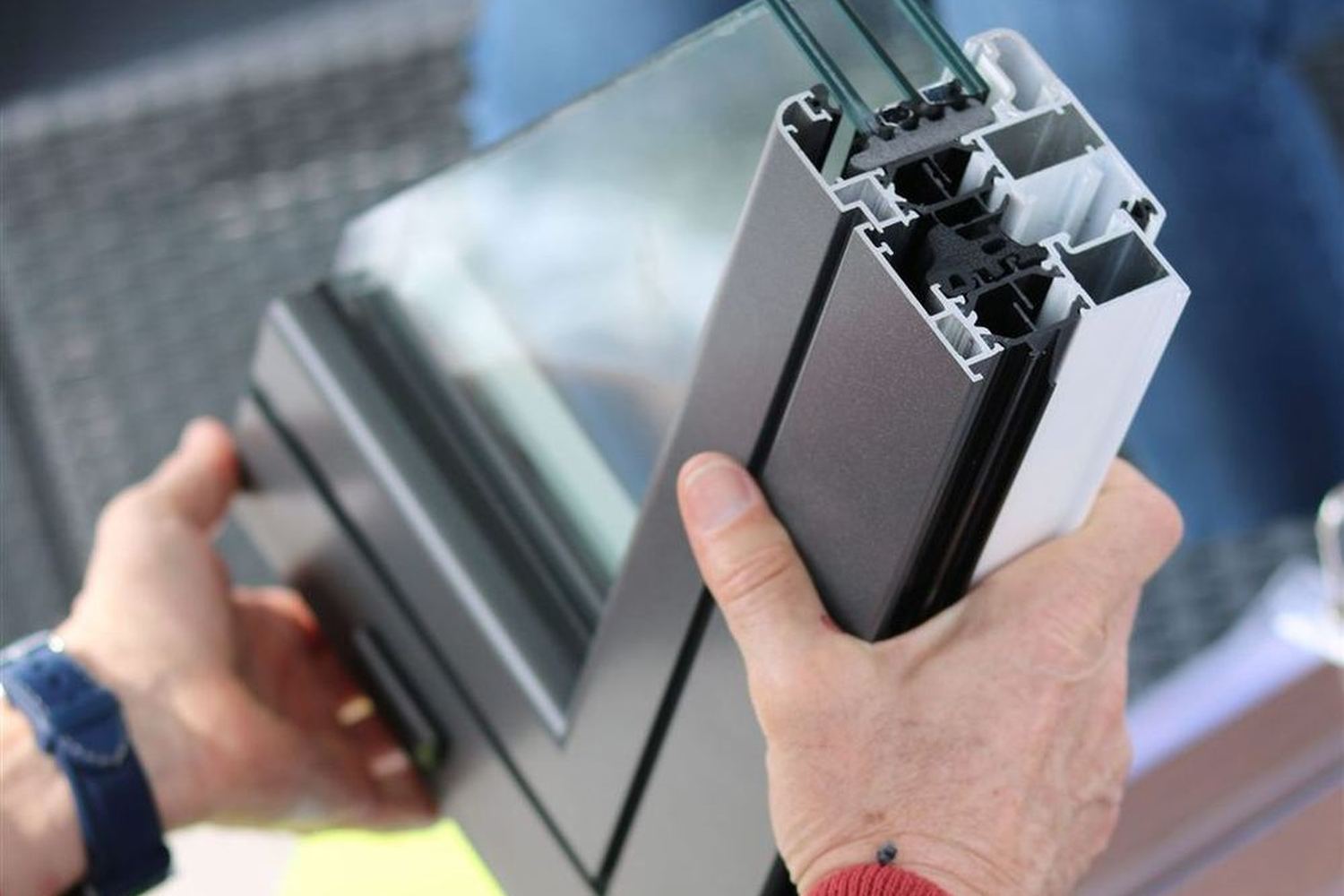
The frame decides how the window ages, what sizes and shapes you can get, what it costs to maintain, and how it behaves going from thirty below to ninety five above every year. Glass packages are close to interchangeable across the majors. Frames are not.
-
Wood
Interior finish and the widest options
Real wood inside, usually clad in aluminum, fiberglass, or vinyl outside. Best looking interior, the most size and shape freedom, and the highest price. The exposed side asks for maintenance and the clad side removes most of that.
-
Fiberglass
The stable one in a swing climate
Expands and contracts at close to the same rate as glass, so seals stay under less stress through a Minnesota year. Strong, thin frames mean more glass in the same opening. Costs more than vinyl and less than clad wood.
-
Vinyl
The value answer, with honest limits
Good numbers for the money and no painting, ever. The tradeoffs are size limits on big openings, fewer color options, and more movement with temperature. A heavy welded vinyl frame from a real manufacturer is a legitimate window. A thin one is a decade of service calls.
-
Composite
Between vinyl and wood
Wood fiber and polymer blends that hold paint, resist rot, and go into larger openings than vinyl. Priced accordingly.
Brands we install and will compare honestly on your house: Andersen, built in Bayport since 1903, Pella, and Ply Gem, which is the value line that shows up on a lot of Twin Cities projects and deserves to be in the conversation. Published limited warranties run roughly twenty years on glass and ten on non glass components, with the details varying by line, and we will hand you the actual document rather than a summary of it.
Installation
Where the leaks come from.
Worth remembering
- Ask for the head detail before you ask for the price. If the answer is caulk, keep calling.
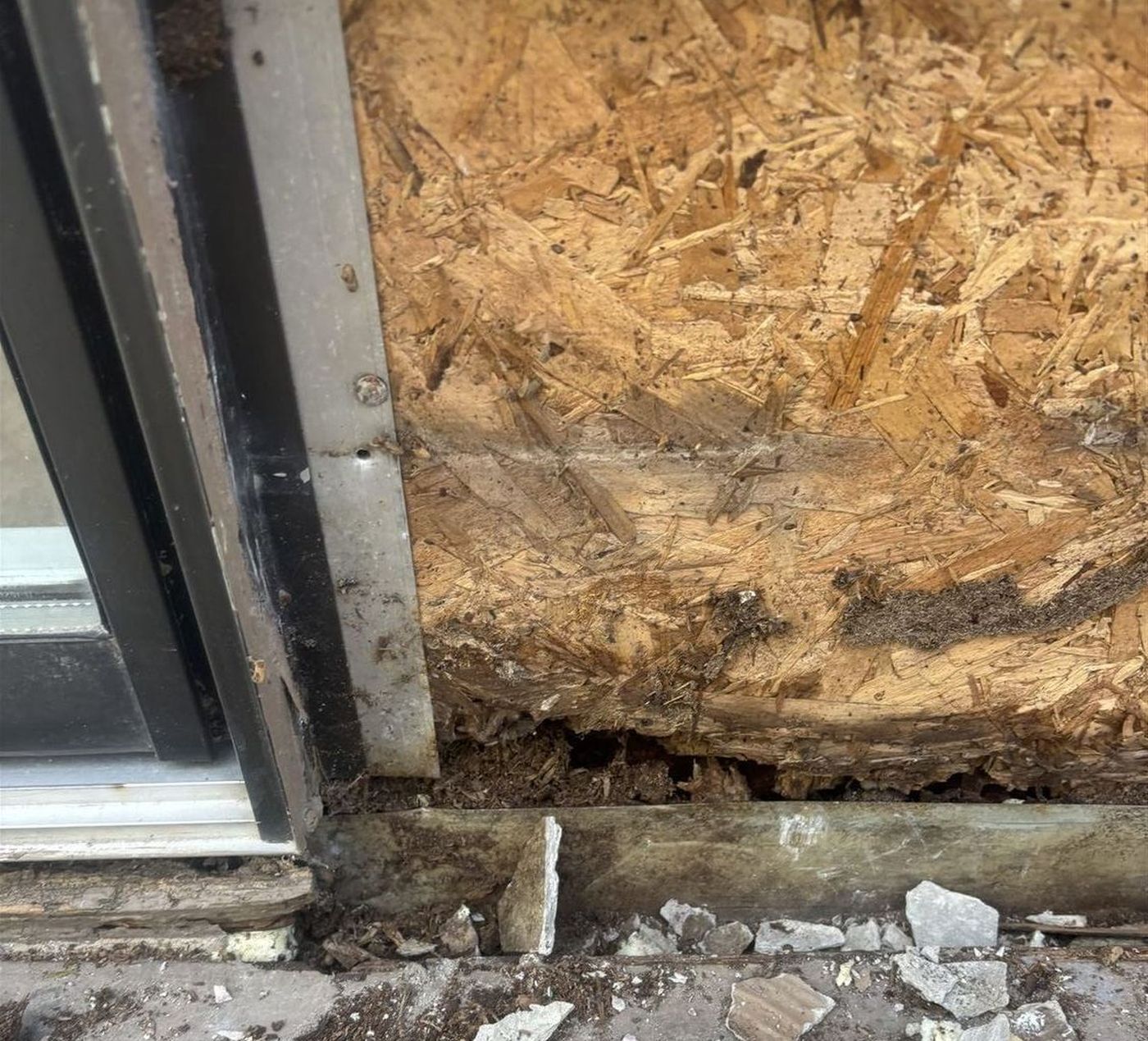
Most of the water we chase in older homes starts at a window head. The water starts above the window and gets in around it.
A window is a hole in a wall, and the weather barrier has to be interrupted and then made continuous again. The sill gets flashed first and sloped to drain out. The jambs lap over the sill. The head flashing laps over the jambs. The housewrap laps over the head flashing. Shingle style, every layer over the one below it, so gravity is working for you. Get one lap backward and you have built a funnel that pours into the wall cavity every time it rains sideways.
That is how we install, every unit, and it is why we would rather replace ten windows correctly than fifteen fast. Manufacturers agree, which is why the installation instruction is part of the warranty. Pella states it in capital letters: failure to comply with Pella installation and maintenance instructions voids all warranties unless the buyer clearly establishes the failure is unrelated. Andersen's published warranty excludes corrections due to improper installation.
Ask whether the crew flashes the sill before the unit is set, and ask what the head detail is. If the answer is caulk, keep calling. Caulk has a service life of a few years. It is what you put over a flashing detail, not instead of one.
Condensation
A bit about condensation.

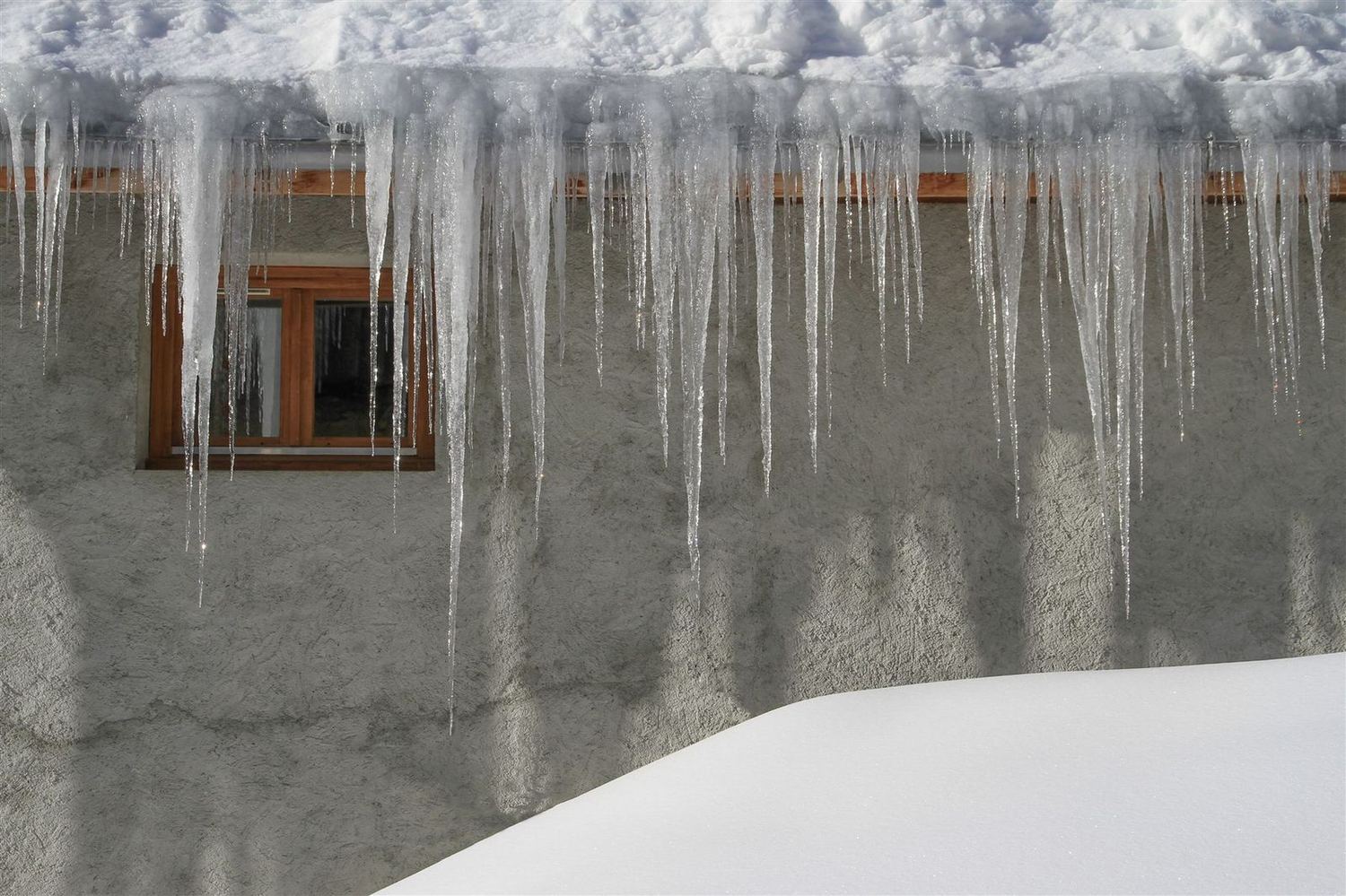
Every winter somebody calls us about water on the inside of their windows and asks whether the windows failed. Almost always the answer is no.
Condensation forms when moist indoor air touches a surface cold enough to bring it below the dew point. The glass is simply the coldest surface in the room, so it shows first. That makes it a humidity and temperature story, not a window defect. Building science consensus on this is settled and the University of Minnesota Extension lays it out well for our climate.
Where does the moisture come from? Showers, cooking, laundry, houseplants, unvented combustion, a wet basement or crawlspace, and people breathing. New windows and air sealing make a house tighter, which is a good thing that also means the moisture you generate no longer leaks out on its own. Tighter house, same moisture, colder glass, and now you can see it.
What actually helps: run the bath and kitchen fans and let them run longer than you think, keep indoor relative humidity down in deep cold, get air moving so it is not dead still against the glass, and fix the wet basement or crawlspace if that is the source. On the window itself, a warm edge spacer, low emissivity coatings, and gas fill all raise the interior glass surface temperature, which buys you margin.
Three cases worth telling apart. Water on the room side of the glass is a humidity issue. Fog between the panes is a failed seal and that is a window problem. Dew on the outside of the glass on a cool morning means the glass is doing its job and keeping your heat inside.
The label
Reading the sticker, once the important decisions are made.

Window performance is rated by the National Fenestration Rating Council, and every certified window carries the same metrics so you can compare two brands without trusting either one's marketing.
U-factor is the rate of heat transfer. Lower insulates better and it is the number that shows up on a gas bill here. Solar heat gain coefficient is the fraction of solar energy the window lets through. Lower keeps summer heat out, higher lets winter sun help heat the room, and which you want depends on the orientation of the opening. Air leakage rates the unit, not the hole you put it in. Visible transmittance is a daylight and comfort number.
ENERGY STAR qualification is based on U-factor and solar heat gain only, and the criteria change by climate zone. In the Northern zone the current prescriptive requirement is a U-factor of 0.22 or lower with a solar heat gain coefficient of 0.17 or higher. Look up your own zone on the ENERGY STAR map rather than taking a salesperson's word for which numbers apply to your house.
The solution
We'll take care of it.
Read all of this or none of it. Either way the next step is the same: have us look at the building. We walk it, we put what we find in writing, including the parts that are fine, and we price the whole fix with a number that holds.