

Associations, property managers, and building owners
Somebody has to know what the building is actually doing.

You inherited buildings you did not build, on a reserve balance that has to cover them, and the last report you were handed may or may not describe the real problem. We walk the property, tell you what is failing and what is holding, and put it in writing before anybody talks about price.
The problem
We know it is confusing to know where and how to spend money on your property.

A board gets a report. The report names a symptom, prices a fix, and the association funds it. Two years later the same unit is wet and the reserve is smaller.
Water rarely enters where it shows up. It runs behind cladding, along framing, and down a path that has nothing to do with the ceiling stain somebody photographed. A contractor who bids the stain will fix the stain.
We chase the path first. That is slower and it is the only version of this that works.
What we do
Capabilities.
-
General contracting
Capital improvement projects
Reserve-funded replacement across a community, phased so the association can fund it and residents can live through it. Roofs, siding, windows, decks, and the framing behind them, held under one general contract with one schedule and one point of contact.
-
Diagnosis
Water intrusion diagnosis
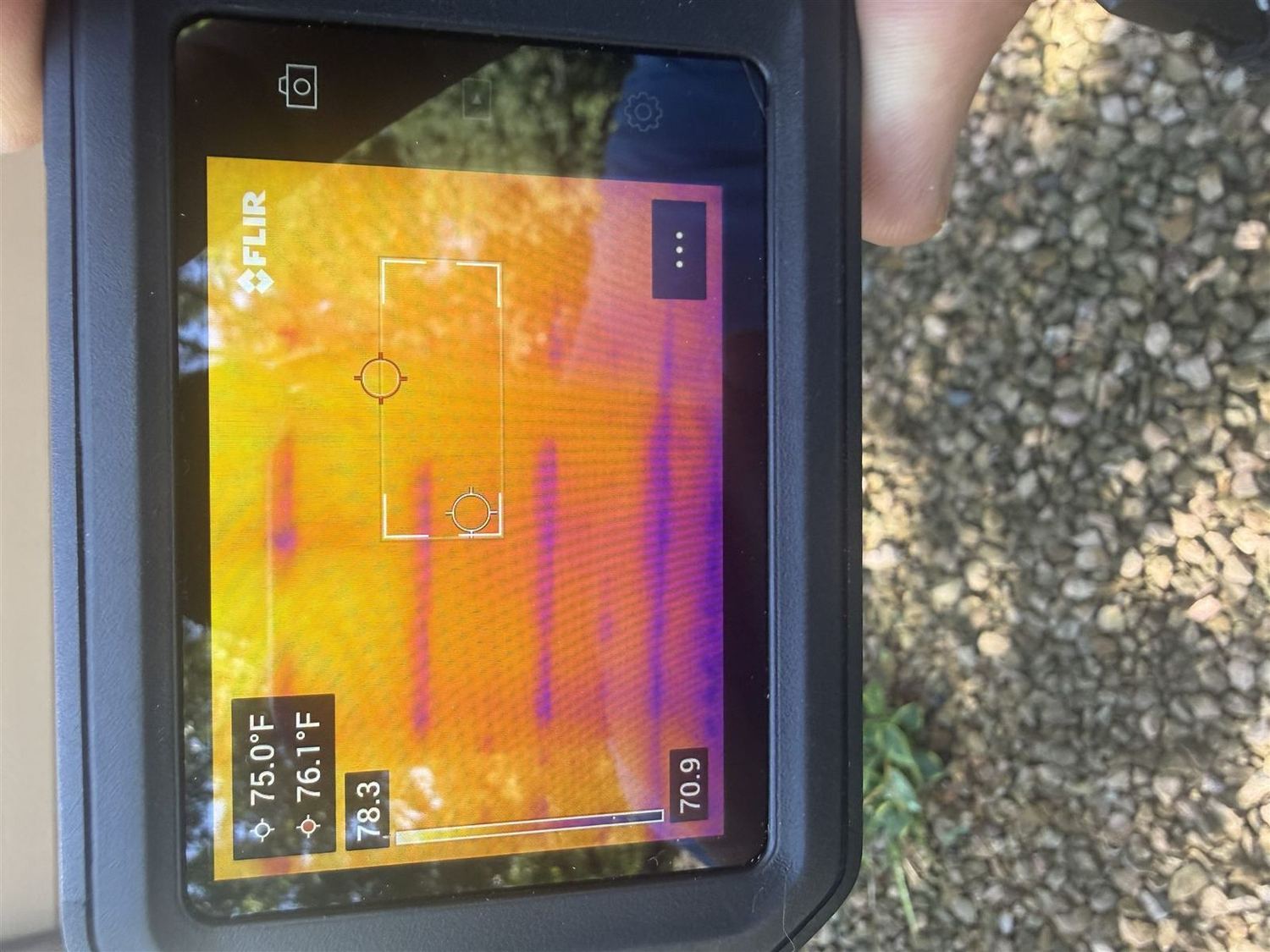
Where the leak is coming from, not where it is showing. Moisture readings, selective openings, and a written finding that says what is wet, what is dry, and what we could not determine without opening more. The dry readings get documented too, because a board needs to know what it does not have to pay for.
-
Assessment
Building envelope condition review
A walk of the property with findings in writing, including remaining service life on the assemblies that are holding. Useful ahead of a reserve study update, a special assessment conversation, or a transition from the declarant.
-
Restoration
Repairs and restoration
Storm damage, failed assemblies, and the work that comes out of an insurance claim. We document the condition the way an adjuster needs it documented, and we scope the repair the way the building needs it repaired. Those are two different documents and we produce both.
-
Response
Emergency response
We are in the field seven days a week and calls come back promptly. On an active water event the first job is stopping the damage from growing, and that call does not wait for Monday.
How a project runs
What a board can expect from us.
-
Before the bid
The walk comes first
We look at the property before we price anything. If what you need is a second opinion on somebody else's scope, we will tell you whether it holds up.
-
In writing
Findings a board can vote on
Boards decide in meetings, on the record, in front of owners who are paying for it. What we hand you is written to survive that room: what is failing, what is holding, what can wait a season, and what it costs to be wrong.
-
Scope
The whole number, not the entry number
Everything we can see goes into the estimate. That makes us the high bid on jobs where somebody else left the framing repair out, and we would rather lose the job than discover it in month two of a funded project.
-
During
Residents are living there
Access, noise, parking, pets, and the owner who works nights. Phased work on an occupied community is a communication job as much as a construction job, and we plan it that way.
-
Engineering
We bring an engineer when it warrants one
We apply our trade experience first, and that usually solves the problem and saves the money. We bring in engineering partners where needed, and only when the project requires the additional investment.
We told an association that we were not the right fit.
A community had a contractor working off a cheap observed engineer report. No permits, no general contractor license, owners billed one unit at a time. The repair in that report was the wrong repair, so we wrote to the owners and told them we were not the right fit for it, because doing the work as written would take their money and leave the buildings the same.
Four years later they called us back. We walked the property, wrote down what was actually failing and what was holding, priced the whole scope, and did it. Now we are the ones they call before anything gets decided, and the unknown that made that first decision so hard is off the table.
Get started
Bring us the building.
Tell us the community, roughly how many buildings, and what is happening. We will tell you whether this is a walk, a diagnosis, or a project.