

Learning center
Decks and balconies: composite, PVC, and wood.
We build all three, on new frames and old ones. The boards are the decision everybody enjoys making. The frame, the connection to the house, and the rail details are the decisions that make the boards worth it in year fifteen.
Decking
Composite, PVC, and wood.

Composite costs more up front and buys back the sanding, staining, and sealing weekend you would otherwise spend every year or two. PVC goes further on both price and low maintenance. Wood costs least up front, looks like wood because it is wood, and asks for that maintenance forever. Neither answer is wrong. One pays up front and one pays every other spring.
-
Composite
Trex
Trex is made largely from reclaimed wood fiber and recycled plastic. Residential terms run by line: Transcend at fifty years, Select at thirty five, Enhance at twenty five. Fade coverage is written as a measurement rather than an opinion, not more than five Delta E for the first twenty five years.
-
Composite and PVC
TimberTech and Azek
TimberTech runs both a capped composite line and, under Azek, a capped polymer line with no wood flour in it at all. The PVC boards stay cooler underfoot than most composites and carry the longest terms in the category. On a deck that takes full afternoon sun this is a real difference and worth the walk through the samples.
-
Others
Fiberon, Deckorators, and cedar
Fiberon and Deckorators both make good product and Deckorators mineral based boards do not absorb water, which matters at grade. Cedar is still the right call on some houses and we will say so.
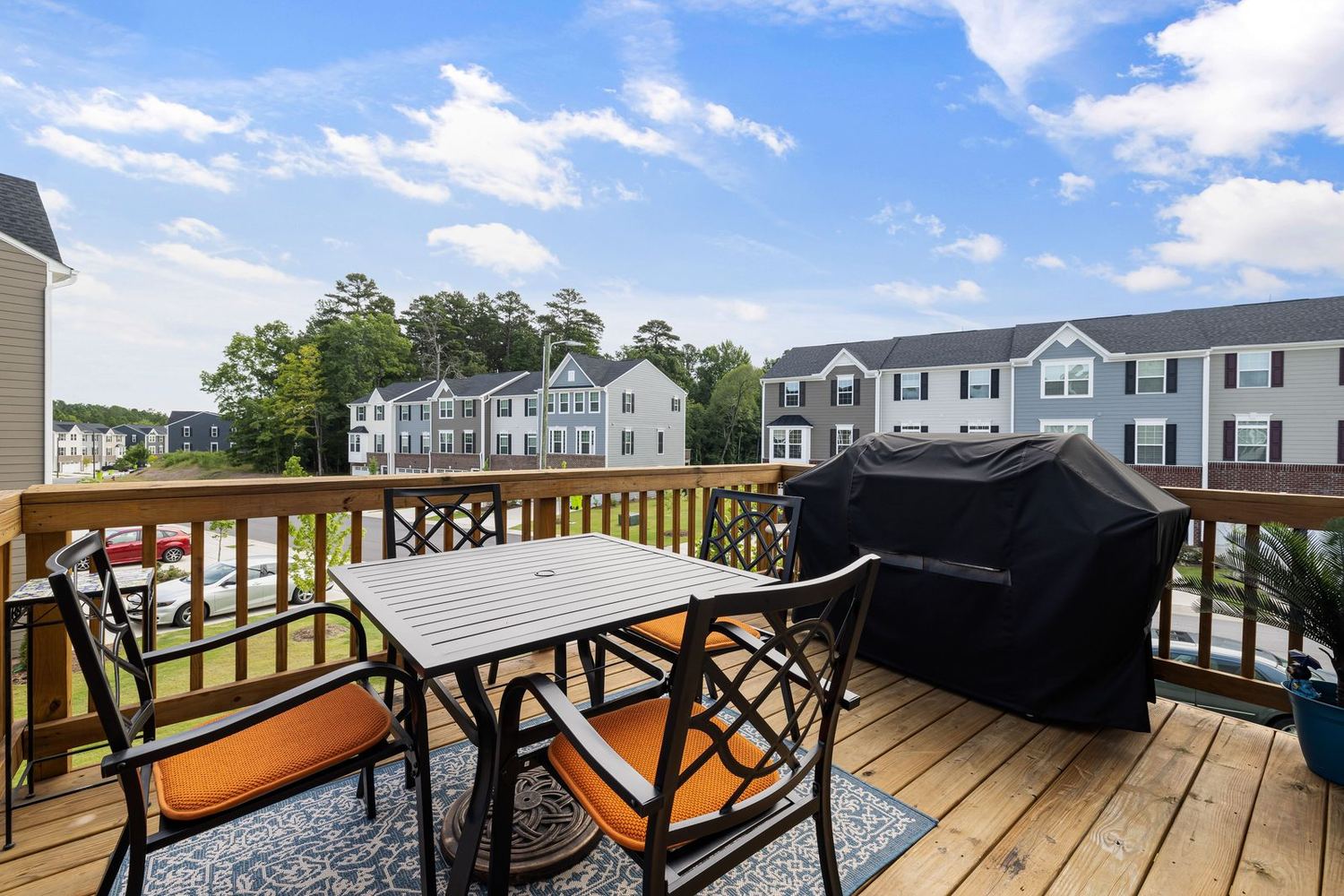
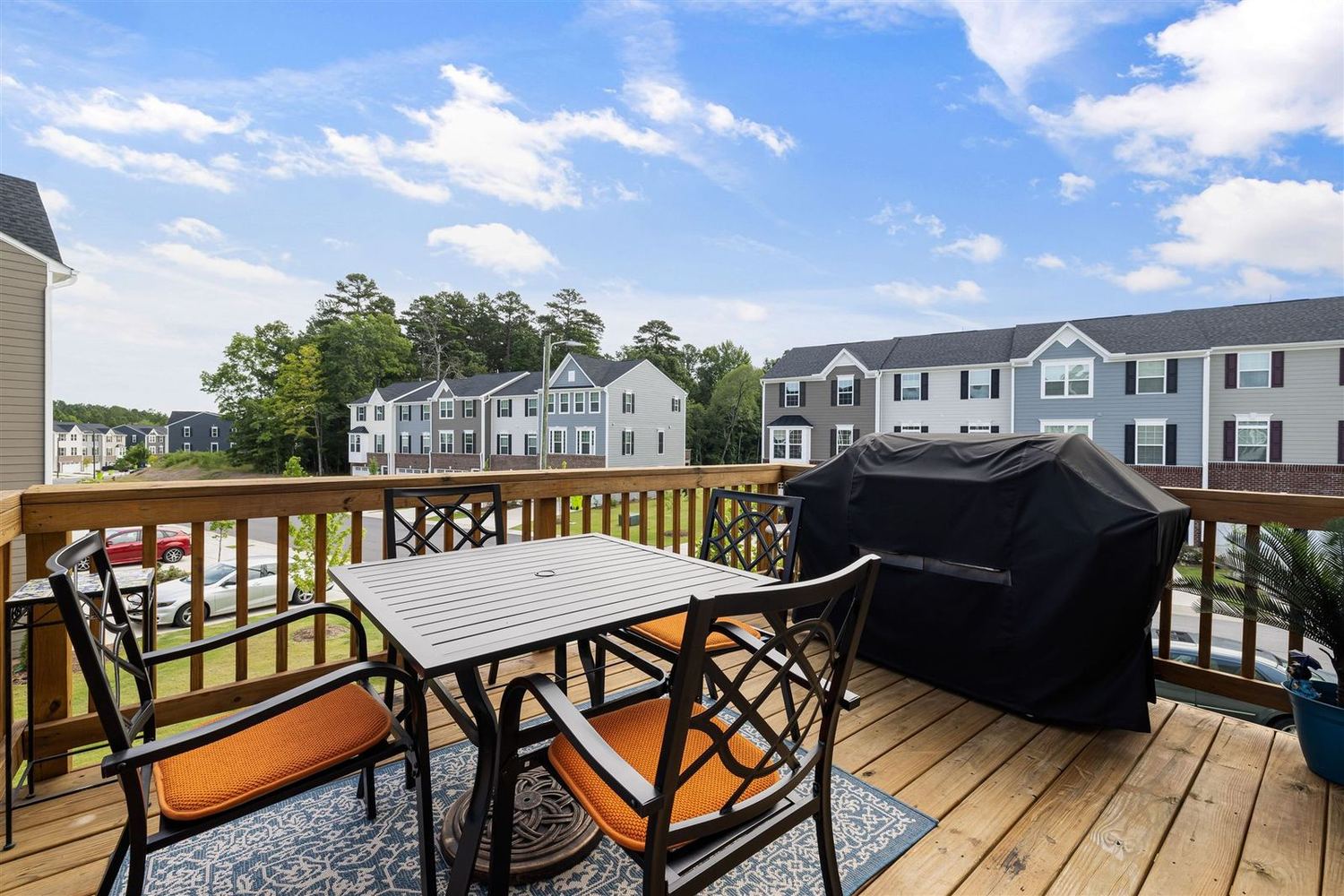
Whatever goes down, the warranty is conditioned on the deck being stored, handled, installed, and maintained to the manufacturer's instructions. Fastener type, gapping, and joist spacing all change by product, and we build to the printed spec for the board you picked.
Framing
What we build under the boards.
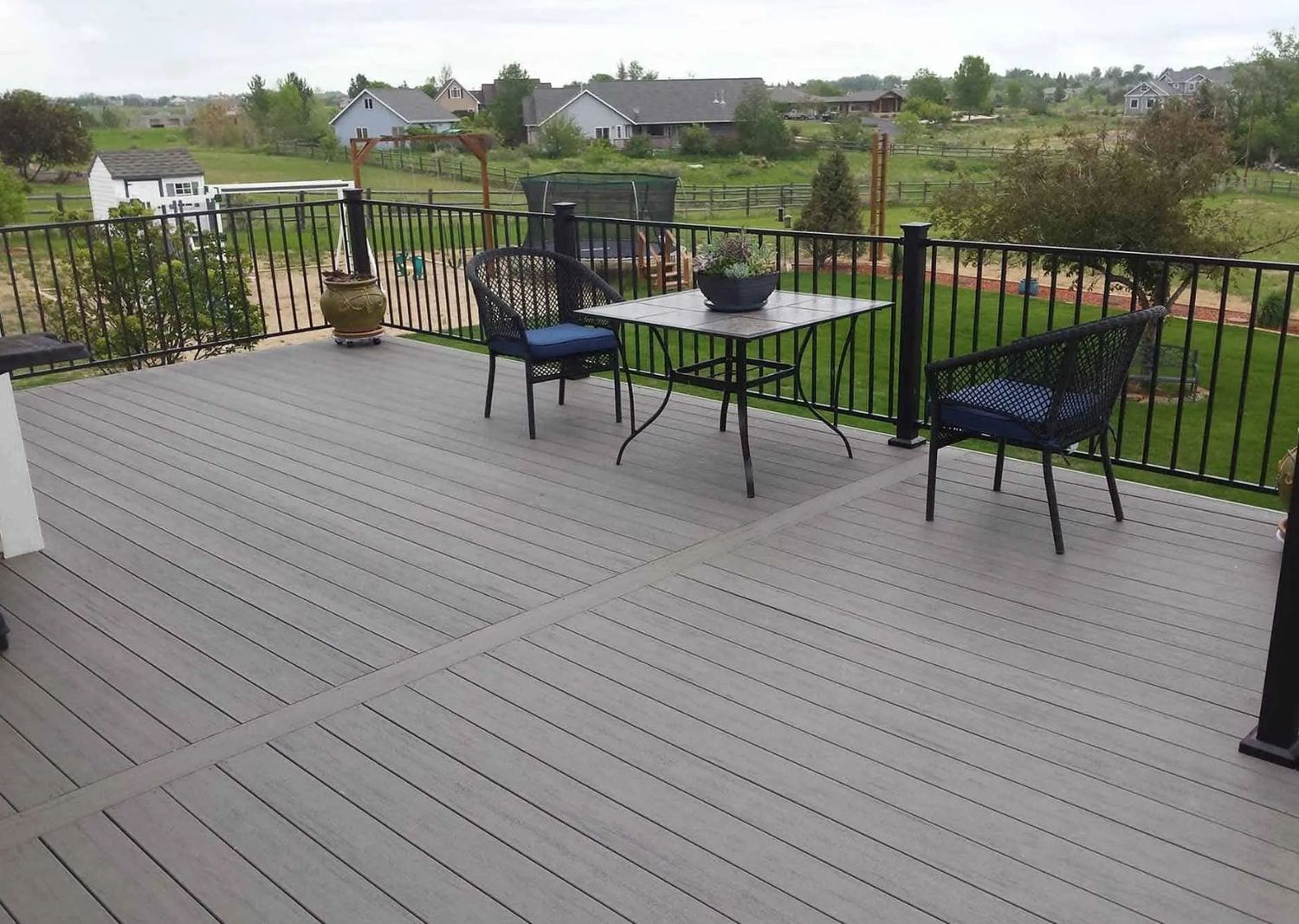
Worth remembering
- A resurface quote that never mentions the ledger is pricing the part you can see. The connection to the house is the part that holds people up.
-
Structure
Joist spacing matched to the surface
Composite and PVC boards have their own span limits, and diagonal patterns tighten them further. We frame for the board you chose rather than defaulting to sixteen on center and hoping.
-
Protection
Joist tape and flashing
Self adhering tape over the top of every joist and beam keeps water out of the fastener holes, which is where framing rots first on a deck that looks perfect from above. Cheap material, big difference in year twelve.
-
Attachment
The ledger and its flashing
Where the deck meets the house, the connection is made with bolts or lag screws rather than nails, and corrosion resistant flashing goes above it so water runs out over the siding instead of sitting behind the board. Where the wall cannot take a ledger, brick and stone veneer, hollow masonry, or a cantilevered overhang, the answer is a freestanding frame on its own posts. That is a different and more expensive deck, and it is the correct one.
-
Life safety
Guards, posts, and stairs

Guard height and infill spacing, post to beam connections, and stair stringer attachment. On elevated decks and balconies over occupied space, which is most of the multifamily work we do, all of it is a life safety assembly rather than an amenity.
Ask any deck contractor to describe the ledger detail he intends to build, including the flashing above it, and ask what joist spacing your board actually requires. If he has to look up either one, he has not built many of them correctly.
The solution
We'll take care of it.
Read all of this or none of it. Either way the next step is the same: have us look at the building. We walk it, we put what we find in writing, including the parts that are fine, and we price the whole fix with a number that holds.