

Learning center
After the hail, before the knock on the door.
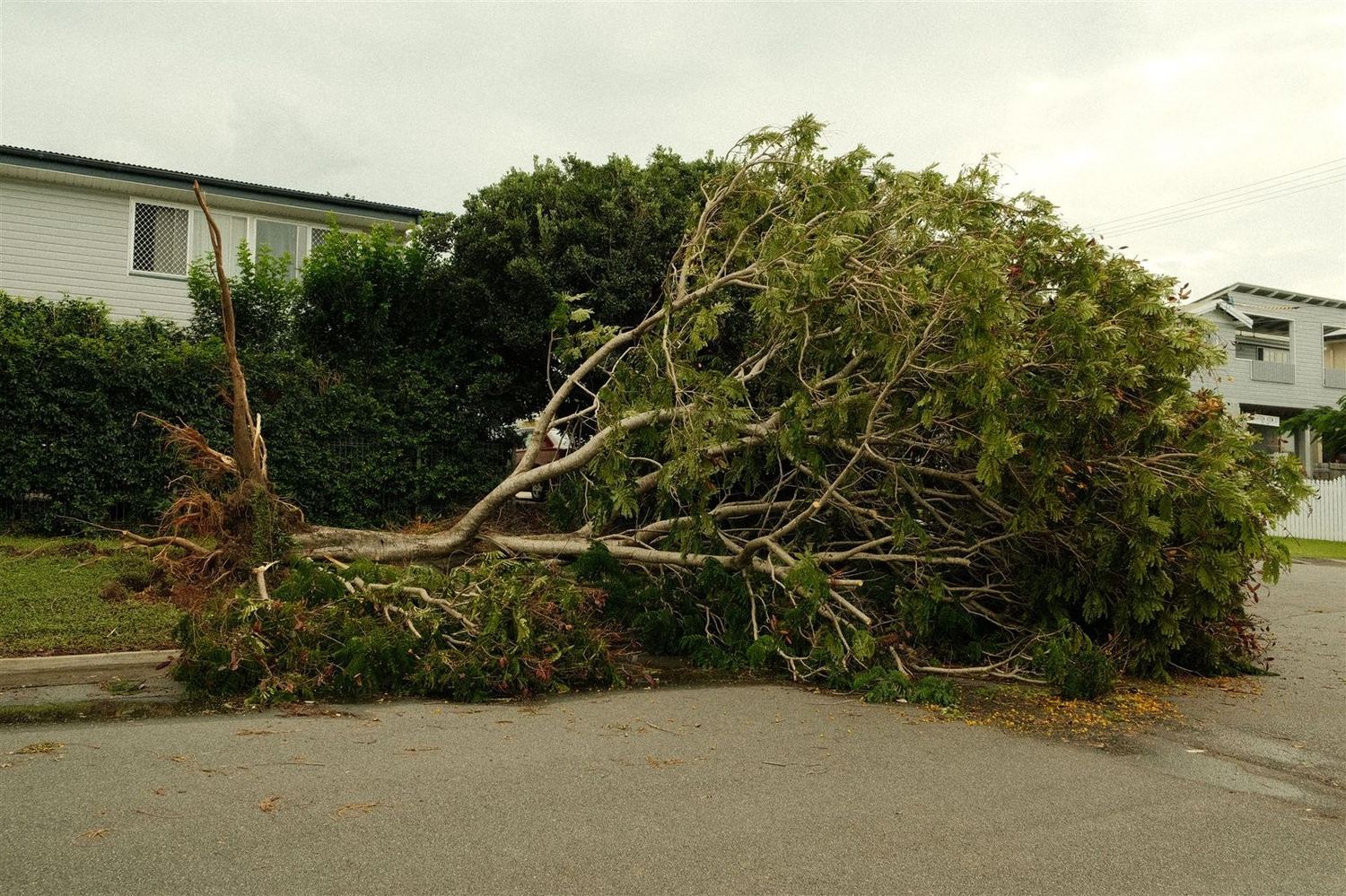
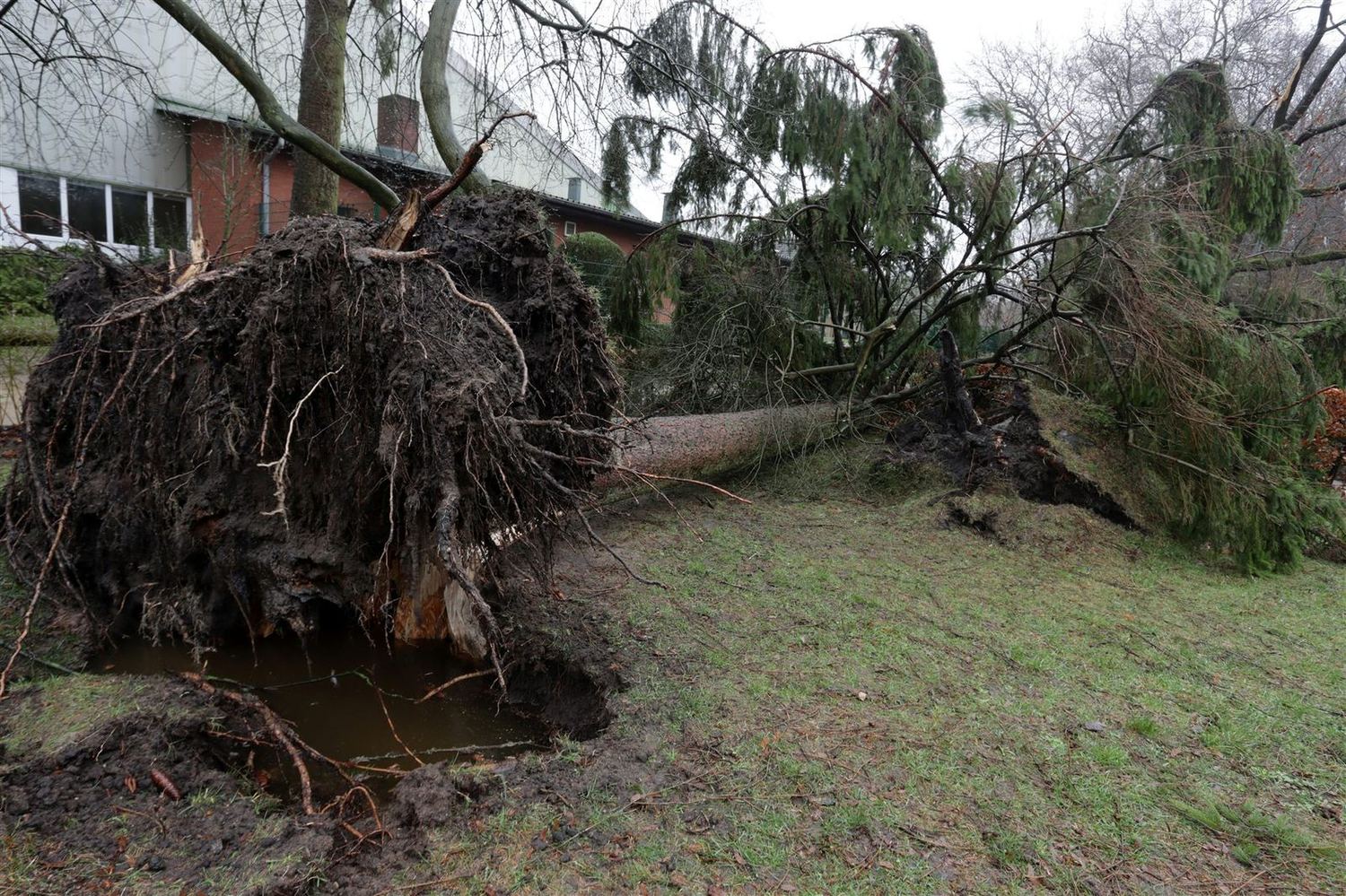
A bad storm brings two things to a Minnesota neighborhood. Damage, and a lot of trucks with out of state plates. Minnesota wrote specific law about how a contractor may behave around your insurance claim, and knowing four or five sentences of it puts you ahead of most homeowners on the block.
How we work a claim
Document it, scope it, and tell the truth about it.

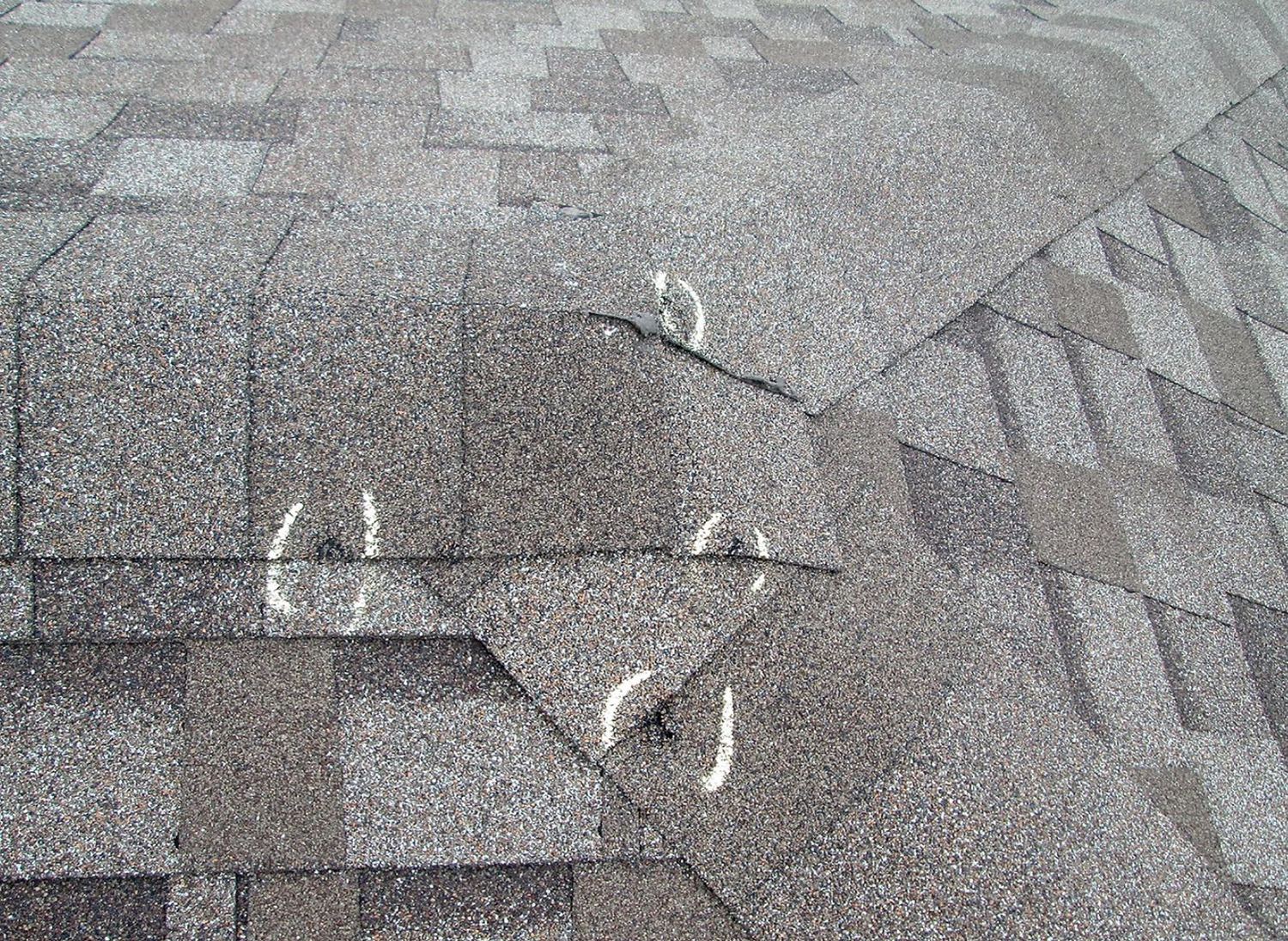
And that truth runs every direction. We expect the homeowner to be straight with us, we hold ourselves to being straight with you, and we expect the same of the insurance carrier. A claim goes smoothly when all three happen.
We get on the roof and photograph what is there. Impact marks get measured and located so an adjuster can find them again. We write a scope of repair covering the whole assembly rather than the visible portion, and we hand you the documentation whether or not you hire us.
We will also tell you when we do not think you have a claim. Filing on a roof that has age wear rather than storm damage costs you a claim on your record and buys you a denial, and the contractor who talked you into it has already moved to the next street.
Minnesota law
What a contractor may not do with your claim.

Minnesota Statute 325E.66 governs residential contractors who are paid out of insurance proceeds. Three prohibitions sit at the front of it.
-
Prohibited
Advertising or promising to cover your deductible
A residential contractor may not advertise or promise to pay, directly or indirectly, all or part of an applicable insurance deductible. The statute also bars compensating an insured for an inspection, a claim, or a referral. "We will waive your deductible" is not a discount. It is the loudest available signal that you are talking to somebody who does not intend to follow the rest of the rules either.
-
Prohibited
An authorization to repair with no real estimate
A contractor may not hand you an agreement authorizing repairs without also giving you a good faith estimate of the itemized and detailed cost of services and materials. If the paper being pushed at you on your front step has a signature line and no line items, that is the statute being broken in front of you.
-
Prohibited
Playing adjuster
A contractor may not interpret policy provisions, advise you regarding your coverages, or adjust the claim, unless that contractor holds a public adjuster license under Minnesota chapter 72B. A contractor can document damage and write a scope of repair. Telling you what your policy covers is a different job with a different license.
Two more pieces of the same statute are worth knowing. An insurer is not obligated to consider the estimate of a contractor who violated the section. And the contractor is required to give you written notice of that statute's requirements along with the initial estimate.
The clock
Deadlines that run whether or not anyone tells you.
Minnesota's standard fire insurance policy language sits in Statute 65A.01, and it sets the frame most property policies in this state are built on.
-
Immediately
Written notice of the loss
The insured is to give immediate written notice to the company of any loss. Call your agent, then follow it in writing, and keep the date.
-
60 days
Proof of loss
A sworn written statement of the loss is to be rendered to the company within sixty days. Payment is due sixty days after that proof of loss is received.
-
Two years
Suit on the policy
No suit or action on the policy is sustainable unless it is commenced within two years after inception of the loss. That is a hard outside boundary, not a target.
Your own policy can carry shorter reporting terms than the statutory frame, and hail damage is frequently not visible from the ground for months. Photograph everything on the day, including the gutters, the screens, the deck rail, and any soft metal, because impact marks on aluminum are often the cleanest evidence that a storm actually hit your address.
Your right to cancel
72 hours, starting when the claim is denied.
This is the provision most homeowners have never heard of, and it lives in a different statute than the one above. Minnesota Statute 326B.811 covers residential roofing contracts.
If you signed a roofing contract expecting insurance to pay for it and your insurer denies the claim, you may cancel that contract within 72 hours after the insurer notifies you of the denial. The contractor is required to put that right in the contract in boldface type, and to give you two detachable copies of a cancellation notice form carrying his name and business address. Payments you made under the contract come back within ten business days. The contractor may keep compensation for emergency services already performed.
The pattern the law was written against is simple. A crew works the neighborhood after a storm, collects signed contracts contingent on nothing, and then holds the homeowner to the contract whether or not insurance ever pays. The Department of Labor and Industry warns that cancelling outside the statutory windows can trigger a cancellation fee, and that those fees commonly run twenty to thirty percent of the insurance claim proceeds.
Read the contract before you sign it on the hood of a truck. The 72 hour window protects you after a denial. It does not protect you from a contract you simply changed your mind about.
Vetting
Check the license before you check the reviews.
Minnesota requires a license from the Department of Labor and Industry for anyone contracting directly with a residential owner to provide work in more than one special skill. The license number tells you what the holder is allowed to do.
-
BC
Residential building contractor
Everything a CR license allows, plus new construction. Ours is BC708826.
-
CR
Residential remodeler
Work on existing structures only.
-
RR
Residential roofer
Roofing only. A roofer license does not permit contracting for gutters, downspouts, soffit, fascia, or other residential work. Worth knowing when one company wants to do your whole exterior.
License numbers begin with those letters and are followed by six digits. You can verify any of them yourself on the state license lookup, and the Minnesota Department of Commerce publishes its own guidance on hiring a contractor after a storm. Their advice matches ours: ask for a local phone number and a street address rather than a post office box, research how long the company has been in business, and be careful with anyone who shows up unsolicited, arrives in an unmarked vehicle, or wants money up front.
This page is a plain summary of Minnesota statutes 325E.66, 326B.811, and 65A.01 as written today, and of published state agency guidance. Statutes change and policies differ. Read the statute itself, and talk to your agent or your attorney, before you rely on any of it for your own claim.
The solution
We'll take care of it.
Read all of this or none of it. Either way the next step is the same: have us look at the building. We walk it, we put what we find in writing, including the parts that are fine, and we price the whole fix with a number that holds.